
Introduction
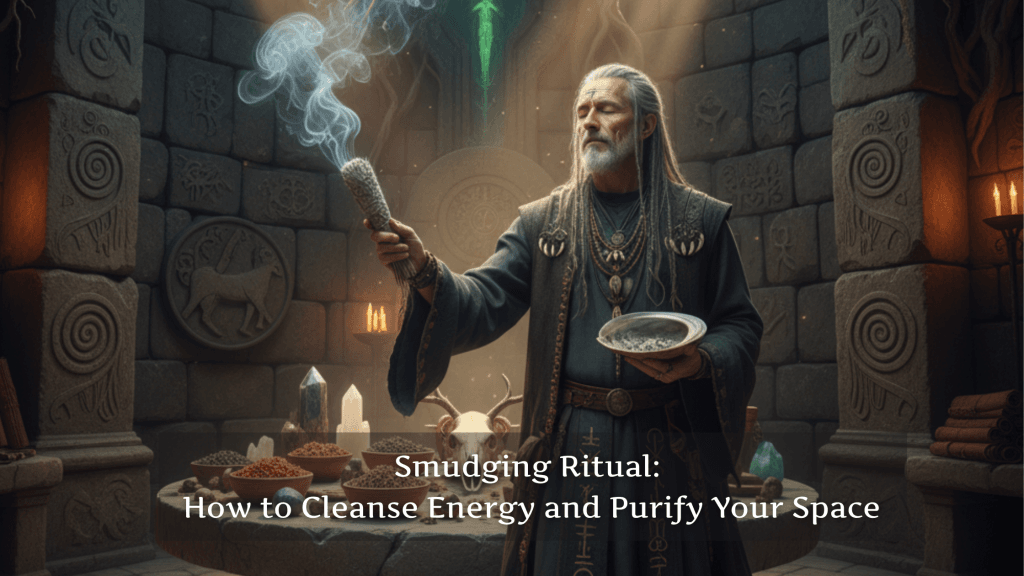
Smudging is an ancient spiritual purification ritual that involves burning sacred herbs or resins to cleanse negative energy and invite harmony into your surroundings. Practiced for thousands of years across cultures, smudging remains one of the most powerful and symbolic rituals for spiritual and energetic balance.
🌍 The Ancient Origins of Smudging
Smudging isn’t limited to one tradition — it’s a universal spiritual practice. Ancient Egyptians burned resins like frankincense during temple ceremonies to ward off evil spirits. Babylonians and Israelites used incense as part of prayer offerings, while Roman Catholics continue to use incense in religious rituals today.
At its core, the idea behind smudging is that the rising smoke carries away negative energy, purifying both people and spaces. Over time, modern spiritualists have adapted this ancient practice for meditation, mindfulness, and energy cleansing.
🌿 Spiritual and Health Benefits of Smudging
Smudging is believed to do more than just cleanse energy — it can uplift your mood, promote clarity, and create a sense of sacred peace.
1. Spiritual Benefits
Removes stagnant or negative energy from people, objects, and places
Enhances spiritual awareness during meditation or rituals
Creates a balanced and peaceful atmosphere for prayer or ceremony
2. Health and Scientific Benefits
Modern research supports the idea that burning herbs like sage can purify the air of bacteria and pathogens. Smudging can also increase oxygen flow to the brain, leading to better focus, reduced stress, and muscle relaxation.
🌼 Choosing the Right Herbs for Smudging
Each herb used in smudging carries unique spiritual properties. Understanding which to use can amplify your ritual’s effect.
| Herb | Purpose |
|---|---|
| White Sage | Removes negative energy and restores balance |
| Cedar | Purifies and protects your home |
| Lavender | Promotes calmness and emotional healing |
| Sweetgrass | Invites positive energy and blessings |
| Palo Santo | Clears stagnant energy and uplifts the spirit |
🕯️ Tip: Always source your herbs ethically to honor the spiritual traditions they come from.
🔥 How to Perform a Smudging Ritual
Before you begin, set a clear intention — whether it’s to cleanse your aura, refresh your home’s energy, or prepare for meditation.
Step 1: Prepare Your Space
Open windows and doors to allow negative energy to leave.
Place your herbs in a fireproof bowl, abalone shell, or clay pot.
Have a lighter or candle ready.
Step 2: Set Your Intention
Take a deep breath and focus your thoughts. Mentally or verbally express your purpose — such as:
“I cleanse this space of all negativity and invite peace and harmony.”
Step 3: Begin Smudging
Light your smudge stick or loose herbs and let them smolder, releasing smoke.
Smudging Yourself
Use your hand or a feather fan to guide the smoke over your body — from head to toe. Visualize negative energy dissolving into the smoke and drifting away.
Smudging Another Person
Before ceremonies or group events, smudge each participant to purify their energy. Use the same gentle fanning motion as above.
Smudging a Room or Space
Start outside your home by smudging in the four directions — east, south, west, and north — to honour the elements. Then move inside, starting from the lowest level of your home, paying attention to corners, closets, and behind doors where stagnant energy tends to collect.
⚠️ Safety Tips for Smudging
Always use a fireproof container.
Never leave burning herbs unattended.
Ensure good ventilation to prevent smoke buildup.
Dispose of ashes respectfully once they’ve cooled..
🌬️ Final Thoughts
Smudging is more than an ancient ritual — it’s a mindful act of spiritual renewal. Whether you’re cleansing your aura or refreshing the energy in your home, the smudging ritual invites harmony, clarity, and balance into your life.
LATEST PROTOCOL GUIDES
Practical Guides. Real Results
DIGITAL



Start Your Protocol
Small, deliberate steps create massive transformation over time.